The Magna Carta AwardLeadership · Justice · Liberty
The Magna Carta Award

TheMagna CartaAward


HONOURING LEADERSHIP. JUSTICE. LIBERTY.

An international honour for those who uphold justice, liberty and the rule of law.

Chosen. Never applied for.

Awards Ceremony · By invitation only30 November 2026 · Goldsmiths' Hall, London

Magna Carta, 1215 · Clause 40

“To no one will we sell, to no one deny or delay right or justice.”

Sealed at Runnymede, 15 June 1215. Still in force in English law today as part of chapter 29 of the 1297 statute.

The original charter, 1215

In its own words


Magna Carta was written in Latin by royal scribes on a single sheet of parchment. Four copies from 1215 survive: two at the British Library, one at Lincoln Castle and one at Salisbury Cathedral.

Preamble

Johannes Dei gratia rex Anglie, dominus Hibernie, dux Normannie et Aquitannie, et comes Andegavie, archiepiscopis, episcopis, abbatibus, comitibus, baronibus, justiciariis, forestariis, vicecomitibus, prepositis, ministris et omnibus ballivis et fidelibus suis salutem.

John, by the grace of God King of England, Lord of Ireland, Duke of Normandy and Aquitaine, and Count of Anjou, to his archbishops, bishops, abbots, earls, barons, justices, foresters, sheriffs, reeves, officials, and all his bailiffs and loyal subjects, greeting.

Clause 1

In primis concessisse Deo et hac presenti carta nostra confirmasse, pro nobis et heredibus nostris in perpetuum, quod Anglicana ecclesia libera sit…

First, we have granted to God, and by this present charter confirmed for us and our heirs for ever, that the English Church shall be free…

Clause 39

Nullus liber homo capiatur, vel imprisonetur, aut disseisiatur, aut utlagetur, aut exuletur, aut aliquo modo destruatur, nec super eum ibimus, nec super eum mittemus, nisi per legale judicium parium suorum vel per legem terre.

No free man shall be arrested or imprisoned, dispossessed, outlawed or exiled, or harmed in any way, nor shall we go against him or send others against him, except by the lawful judgement of his peers or by the law of the land.

Clause 40

Nulli vendemus, nulli negabimus, aut differemus, rectum aut justiciam.

To no one will we sell, to no one will we deny or delay, right or justice.

Sealing

Data per manum nostram in prato quod vocatur Ronimede, inter Windlesoram et Stanes, quinto decimo die junii, anno regni nostri decimo septimo.

Given by our hand in the meadow called Runnymede, between Windsor and Staines, on the fifteenth day of June, in the seventeenth year of our reign.

Latin text of the 1215 charter, with English translation.

Our purpose

That no one stands above the law


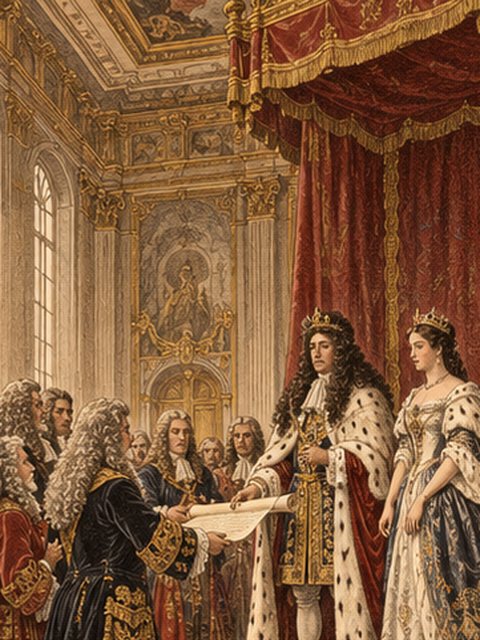
In June 1215, in a meadow beside the Thames, a king accepted that his power was bound by law. From that settlement grew due process, judgement by one's peers, and the principle that justice may not be sold, refused or delayed.

The Magna Carta Award honours those who keep that promise in our own time: judges who decide without fear or favour, advocates who defend the unpopular, public servants who govern within the law, and citizens who stand up for the liberty of others.

Conferred across nations and legal traditions, on merit alone.

Eight centuries of liberty

A charter that crossed the world


  1. 1215

    Runnymede

    King John seals Magna Carta, accepting that the Crown is subject to the law of the land.

  2. 1297

    The statute book

    Edward I confirms the charter. Its guarantee of justice remains in force in English law today.

  3. 1689

    Bill of Rights

    Parliament limits royal power and secures the independence of law-making and the courts.

  4. 1791

    United States

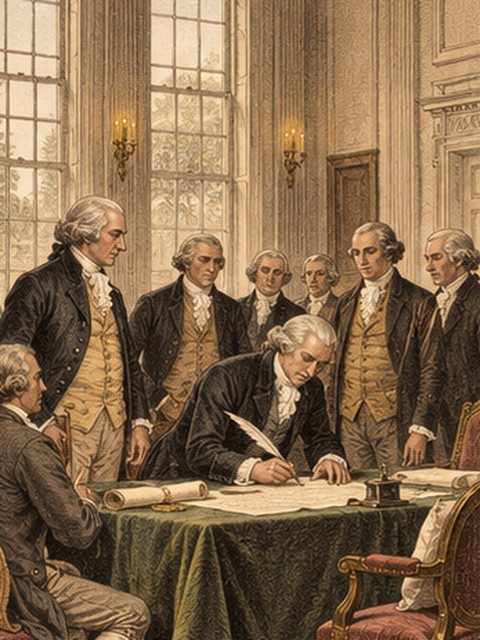
    The Fifth Amendment carries Magna Carta's promise of due process into the American Constitution.

  5. 1948

    Universal Declaration

    Eleanor Roosevelt hopes it may become “the international Magna Carta for all men everywhere”.

  6. 1950

    Constitution of India

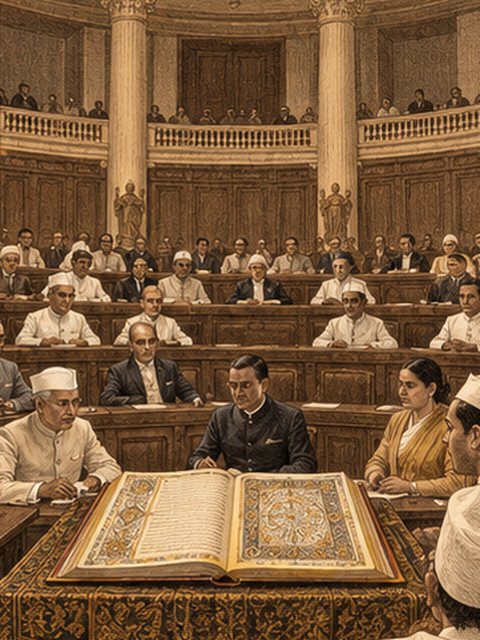
    Articles 14 and 21 guarantee equality before the law and the protection of life and personal liberty.

The four pillars

What the Award stands for


FREEDOM

The liberty of the individual, secured by law and not by favour.

JUSTICE

Equal justice for all, neither sold, denied nor delayed.

LEADERSHIP

Authority exercised with integrity, courage and restraint.

A FAIRER TOMORROW

Institutions strong enough to protect generations not yet born.

The award

Conferred on merit.
Never sought.


The Magna Carta Award cannot be applied for or purchased. Laureates are nominated by others and chosen by an independent panel for distinguished service to justice, liberty and the rule of law.

Open to nominees of every nation and legal tradition

Presentation of the Award 30 November 2026 Goldsmiths' Hall · City of London

The distinctions

Six categories of honour


I

Leadership in Public Life

Statesmen, public servants and heads of institutions who exercise authority within the law and for the public good.

II

Justice and the Rule of Law

Members of the judiciary, the Bar and the academy whose work upholds the independence of the courts and equal access to justice.

III

Human Rights and Liberty

Individuals and organisations who defend freedom of conscience, expression and assembly, often at personal cost.

IV

Integrity in Enterprise

Leaders in business and the professions who place fair dealing, transparency and accountability above advantage.

V

Civic and Public Service

Those whose service, often unseen, strengthens the institutions and communities on which a free society depends.

VI

Lifetime Achievement

A distinguished lifetime devoted to justice, liberty and the common good.

Governance

The Statutes of the Award


The standing of an honour rests on how it is given. These principles govern every nomination, every deliberation and every presentation.

  1. Independence

    Laureates are chosen by an independent panel. No sponsor, partner or organiser may influence its decisions.

  2. Merit alone

    The Award cannot be applied for, purchased, or conferred in return for any payment or sponsorship.

  3. Nomination by others

    Candidates are put forward by third parties. Self-nominations are not accepted.

  4. Confidence

    Nominations and the panel's deliberations are held in strict confidence.

  5. Impartiality

    The Award is non-partisan and is conferred without regard to nationality, faith or political allegiance.

  6. Acceptance

    No one is named as a laureate until they have been invited and have accepted the honour.

The laureates

The laureates will be announced at the ceremony


Their names will be recorded here on the roll of honour following the presentation on 30 November 2026.

The path to the Award

From nomination to presentation


  1. Open now

    NOMINATION

    Nominations are made in confidence by third parties. Candidates may not nominate themselves.

  2. After nominations close

    REVIEW

    Every nomination is read in full and its evidence verified against the published criteria.

  3. In confidence

    DELIBERATION

    An independent panel drawn from the law, public life and civil society selects the laureates.

  4. 30 November 2026

    PRESENTATION

    Laureates are invited to receive the Award in person at Goldsmiths' Hall, City of London.

The ceremony

Monday 30 November 2026


Goldsmiths' Hall
Foster Lane, City of London

This is an invitation-only ceremony

The Magna Carta Award is presented at a formal evening in the City of London, in the company of the laureates, their guests, and invited figures from the law, public life and civil society of many nations.

Illustration

Judging criteria

What the panel looks for


The panel weighs evidence, not reputation. A strong nomination explains what the nominee did, the principle at stake, and what changed as a result.

  • I
    Impact
    Measurable, lasting change for people, communities or institutions.
  • II
    Principle
    Fidelity to justice and liberty, above all when it carried a personal cost.
  • III
    Leadership
    Vision, courage and the ability to bring others along.
  • IV
    Integrity
    Conduct that would withstand the closest public scrutiny.
  • V
    Reach
    Influence that extends beyond the nominee's own organisation or country.

Nominations

Nominate a person of distinction


Nominations are free and are treated in strict confidence. Please give the nominee's name, their position or organisation, the category, and a clear account of their contribution.

Self-nominations cannot be accepted. Nominees are not contacted unless the panel wishes to consider them further.

We use the details you give only to assess the nomination and to contact you about it. We never sell or share them.

NOMINATE

Put forward a person or institution of distinction, in confidence.

Make a nomination

PARTNER

Support the Award and its ceremony. Partners play no part in the selection of laureates.

Partnership enquiry

STAY INFORMED

Receive announcements of the laureates and news of the Award.

Partner & contact

Partnership and enquiries


For partnership, invitations to the ceremony on 30 November 2026, press enquiries or any other matter, please write to the Award office. Attendance at the ceremony is by invitation only.

Partnership supports the presentation of the Award and its ceremony. It confers no influence over nominations or the selection of laureates.